
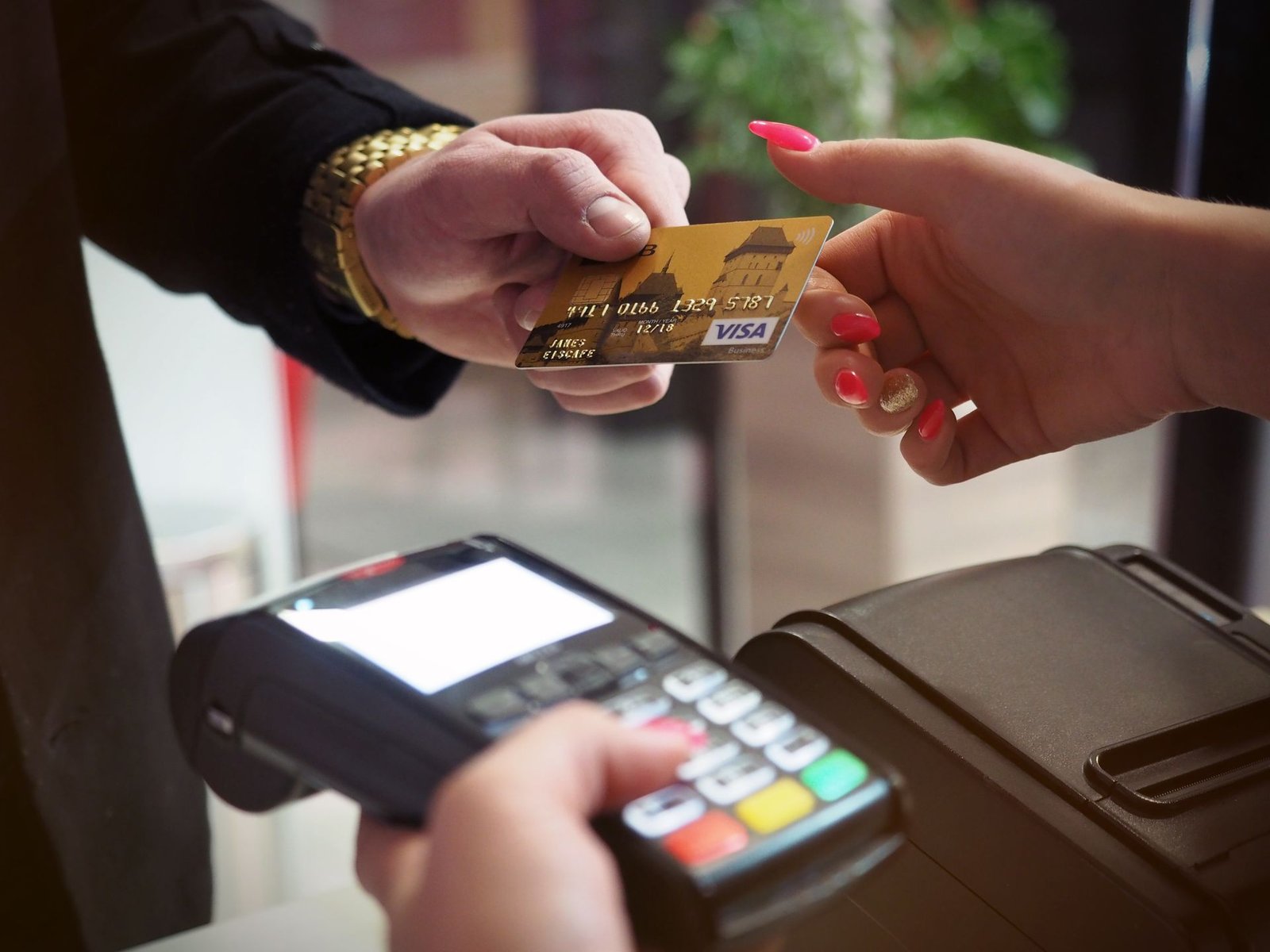
A payment gateway is a critical part of a mobile app when customers need to purchase products, book services, pay invoices, or manage subscriptions. It connects the app's checkout experience with payment-processing services, but the integration must be designed with security, reliability, and clear transaction handling in mind. A gateway that is connected incorrectly can expose sensitive information, create duplicate charges, or leave customers uncertain about whether a payment went through.
A secure integration starts with the business requirements and continues through provider selection, architecture, implementation, testing, and ongoing monitoring. The goal is not merely to make a payment button work. It is to create a trustworthy process in which customers understand what they are paying, the business receives reliable confirmation, and sensitive payment information is handled appropriately. Moonfu International supports businesses in planning and developing mobile app experiences. Visit www.moonfuinternational.com or call (917) 818-3450 to discuss your requirements.
Understand the gateway's role
A payment gateway securely facilitates the exchange of payment information between a customer-facing checkout and the services that authorize or process a transaction. In a mobile app, the gateway may provide a software development kit, hosted payment page, tokenization service, or API-based integration. The payment processor and acquiring bank may be separate organizations behind the provider's service. Businesses should understand the provider's role and the responsibilities that remain with the app owner.
The app should not independently decide that a payment is complete. It initiates the transaction through a controlled backend flow, while the provider processes the payment and communicates the result. The backend verifies the result and updates the order or account. This division of responsibility is fundamental to secure implementation. It also makes it easier to investigate a transaction if the app closes, a network connection fails, or a provider notification arrives later than expected.
Define business and technical requirements first
Before comparing gateways, list the payment scenarios the app must support. A retailer may need one-time purchases, refunds, discount codes, and multiple currencies. A service provider may need deposits, balance payments, cancellations, and rescheduling. A subscription business may need recurring billing, plan changes, failed-payment recovery, and cancellation management. The requirements should describe both the normal journey and the exceptions that staff must handle.
Then identify target countries, expected transaction volumes, preferred payment methods, settlement currencies, existing commerce systems, and reporting needs. Confirm whether the business needs in-app wallet payments, card payments, bank transfers, or locally popular methods. Document any industry restrictions and regulatory obligations that may apply. A short requirements document gives the development team a clear basis for provider evaluation and prevents the project from being driven by a feature list that may not fit the business.
Select a provider with security and operational fit
Compare providers on supported markets, payment methods, settlement schedules, fee structures, dispute handling, refunds, fraud tools, developer documentation, SDK maintenance, and technical support. Ask how the provider handles authentication requirements and what transaction states its APIs return. Review how webhooks are authenticated, whether event delivery is retried, and how the business can retrieve a transaction's current status if a notification is missed.
Check the provider's onboarding and account requirements before development is finalized. Some business categories, regions, or transaction models may require additional approval or may not be supported. Confirm the process for testing, production activation, payout verification, and account changes. A provider should be evaluated as a long-term operational partner. Switching gateways later can involve changes to payment tokens, recurring billing agreements, reporting, and customer communications, so the initial decision deserves careful review.
Choose an integration approach
A provider-hosted checkout can reduce the amount of sensitive payment information handled directly by the app. The app sends the customer into a secure provider-controlled experience and then returns to the app after the payment attempt. This can be a practical option when the provider's hosted flow supports the required branding and user journey. The team must still validate the return state through the backend and should not rely only on a redirect parameter to confirm success.
A provider SDK or embedded payment component may create a more integrated experience while keeping sensitive fields within approved provider components. A direct API approach can offer greater control but also places more responsibility on the development team. The right choice depends on platform support, provider guidance, user experience requirements, and the business's security obligations. Avoid collecting raw card data in custom fields unless the organization has the expertise and compliance scope to manage that responsibility.
Design a secure client-server architecture
A common secure architecture separates the mobile app from the payment provider through a backend service. The app sends an authenticated request to the backend to create a payment session or intent. The backend validates the user's authorization, checks the order and amount, and communicates with the provider using server-side credentials. The app receives a limited client token or session reference needed to continue the payment flow. Secret API keys remain on the server.
After the customer authorizes payment, the provider returns a result and may send a webhook to the backend. The backend verifies the notification, checks the transaction details, and updates the order state. The app retrieves the confirmed state from the backend and displays the appropriate message. This design reduces the risk of trusting a modified mobile client and gives the business a central place to enforce pricing, permissions, and transaction rules.
Protect credentials, tokens, and sensitive data
Never embed secret payment keys in a mobile app. Application packages can be inspected, and values included in client code should be considered accessible to a determined attacker. Store provider secrets in a protected server-side secret manager or equivalent secure configuration system. Restrict access to production credentials, rotate them according to policy, and avoid exposing them in source repositories, logs, screenshots, or support messages.
Use tokenization and provider-approved components to minimize exposure to payment data. A token can represent a payment method without requiring the business to store the underlying card number. Treat tokens as sensitive credentials: protect them, limit their use, and follow provider rules for storage and reuse. Do not store card verification codes. Encrypt communication, apply least-privilege access, and ensure that analytics and crash-reporting tools do not capture payment form values or sensitive authentication details.
Authenticate users and authorize transactions
Payment security is connected to account security. If an attacker gains control of a customer's account, the attacker may attempt to use saved payment methods or change order details. Use an authentication approach appropriate to the risk of the app, protect account recovery, and require additional verification for sensitive actions where justified. Administrative and customer-support roles should have narrowly defined permissions, especially when they can issue refunds or change payment records.
Authorization must be checked on the backend for every relevant request. Do not assume that a user is entitled to an order simply because the app sends an order identifier. Confirm ownership, amount, currency, status, and allowed next action. Apply rate limits and monitoring to endpoints that create payment sessions or initiate refunds. A clear audit trail should record who performed a sensitive action, when it occurred, and which transaction it affected.
Verify webhooks and manage transaction states
Webhooks allow the payment provider to notify the business backend about events such as successful payment, failure, refund, or dispute. These notifications are important because a customer may close the app before the final result is displayed. The backend should verify the provider's webhook signature using the provider's documented method, reject invalid messages, and process valid events safely.
Do not assume that every notification will arrive once and in order. Providers may retry events, and different events can arrive close together. Use event identifiers, idempotent processing, and state-transition rules to prevent duplicate updates or an older event from overwriting a newer state. Store enough transaction references to investigate discrepancies. If the app receives a timeout, it should query the backend for the latest verified status rather than asking the customer to pay again immediately.
Prevent duplicate charges and handle failures
Customers sometimes tap a payment button more than once, lose connectivity, or return to the app after an interrupted checkout. The backend should use idempotency controls where the provider supports them, and the user interface should disable repeated submission while a request is being processed. A retry should be deliberate and based on the known transaction state. The system should distinguish between a declined payment, a canceled attempt, an unresolved attempt, and a completed payment.
Provide useful recovery instructions. If a card is declined, explain that the customer can check details or select another method without exposing sensitive provider information. If additional authentication is required, guide the user through it. If the result is unknown, say that the app is checking the status and avoid creating another charge. Support staff should have a secure way to look up the transaction and explain the next step. Well-designed failure handling protects both customer confidence and business operations.
Build refund, cancellation, and dispute workflows
A complete payment integration includes more than the initial charge. Businesses need clear rules for full and partial refunds, canceled orders, service changes, subscription termination, and disputed transactions. Define which roles may approve a refund, what evidence is required, and how the refund status is communicated to the customer. The app should not show a refund as completed until the provider or backend confirms the relevant state.
Disputes and chargebacks require a documented process. Staff may need to retrieve order details, delivery evidence, customer communications, and transaction records within provider deadlines. The system should preserve relevant evidence while respecting privacy and retention requirements. If the business offers subscriptions, it should also communicate billing dates, renewal terms, and cancellation steps clearly. These workflows should be included in the project scope rather than treated as minor enhancements after launch.
Test the integration in realistic conditions
Use the provider's sandbox and test credentials to validate the complete flow before processing live payments. Test successful transactions, declines, authentication challenges, expired payment methods, invalid amounts, interrupted connections, duplicate submissions, webhook retries, delayed notifications, refunds, and disputed payments. Verify that the backend's order state matches the provider's verified transaction state. Confirm that receipts and confirmation screens display the correct amount, currency, and order reference.
Test across supported devices, screen sizes, operating-system versions, and network conditions. Review the behavior when the app is backgrounded or terminated during checkout. Conduct security testing on the API, authentication, authorization, secret handling, and logging. Before release, confirm production credentials, provider approval, privacy notices, customer support procedures, monitoring, and rollback plans. A staged launch can limit exposure while the team observes actual payment behavior.
Monitor, maintain, and improve after launch
Payment integration requires ongoing maintenance. Providers update SDKs, change API versions, introduce new authentication requirements, and adjust supported payment methods. Assign an owner to review provider notices and schedule updates. Monitor transaction success rates, error categories, webhook delivery, settlement reports, refund activity, and unusual patterns. Alerts should help the team identify a genuine issue without overwhelming staff with routine events.
Review customer feedback to find points of confusion, unnecessary checkout steps, or unclear status messages. Use controlled experiments when changing the interface, and ensure that measurement does not collect sensitive payment information. Keep incident response procedures current and periodically test access to provider dashboards and support channels. A secure integration is not a one-time coding task; it is a maintained business capability.
How a development partner can help
The strongest projects bring product planning, UX design, backend engineering, mobile development, and security review together. Before work begins, the team should agree on payment scenarios, provider responsibilities, data flows, transaction states, exception handling, and launch criteria. This shared understanding makes estimates more realistic and reduces the risk of expensive changes late in development.
Moonfu International can help businesses plan custom mobile applications and define the user journeys and integrations needed to support their operations. Each project should be assessed according to its users, markets, existing systems, and security requirements. To discuss a mobile app that includes a payment gateway, visit www.moonfuinternational.com or call (917) 818-3450.
Building a Better Mobile Experience
Integrating a secure payment gateway requires coordinated decisions about provider selection, architecture, credentials, authentication, transaction verification, exception handling, and ongoing monitoring. The most dependable implementations keep sensitive data exposure low, verify payment outcomes on the backend, and make every transaction state understandable to the customer and the business. With careful planning and thorough testing, a mobile app can offer a checkout experience that is convenient without compromising reliability. Contact Moonfu International at (917) 818-3450 or visit www.moonfuinternational.com to discuss your mobile app requirements.
Moonfu International | (917) 818-3450 | www.moonfuinternational.com